What the FCA said
The FCA's new page on agentic AI is addressed to two audiences1. To regulated firms, it says responsibility stays with the firm and its senior managers whether an agent is built in house or bought, and that firms must show they understand the systems they use, the degree of autonomy those systems have, the risks they create and the controls needed to manage them "in real time and in stress situations". It also asks firms to think about customers who arrive with their own agents: how to tell you are dealing with an agent, what consents exist, what the agent may do, and whether to accept payments an agent instructs1.
To technology providers and platforms, it says to look at what their agents actually do. Payment services, financial promotions, account information services, credit broking and financial advice can all require authorisation, and describing a business as a technology provider does not change that1. Coverage noted the warning arrived as consumer agents that shop, book and pay move towards UK launch2, and that the FCA will use its powers if regulated services are offered without authorisation3.
Why this is an architecture question
Read the expectations again with an engineer's eye. "Understand the degree of autonomy" means you can state, per action, what the agent may do alone. "Controls in real time" means the controls run in the request path, not in a quarterly review. "Establish that you are dealing with an agent" and "what consents are in place" are identity and authorisation requirements. "Support if something goes wrong" means you can reconstruct what happened. None of that can be bolted on after launch.
Four design rules that follow
1. Map actions to activities before you build. List every action the agent can take and decide, with legal advice, whether each is information, a promotion, advice, a payment or credit. That map decides where you need your own permissions, where a regulated partner executes, and what the agent must never do. The FCA's point that agents "evolve in a way that makes regulation apply" means the map must be re-checked whenever capabilities are added1.
2. Make the mandate explicit. An agent acting for a customer needs a machine-checkable mandate: which accounts, which payees, what limits, until when. Store it, show it to the customer and enforce it at execution time, not in the prompt.
3. Put regulated steps behind a gateway, not inside the model. The model can propose; a deterministic service checks the activity map and mandate, then calls the payment or credit provider. Prompt injection then has a much harder time turning into money movement. The same separation appears in prompt injection defences.
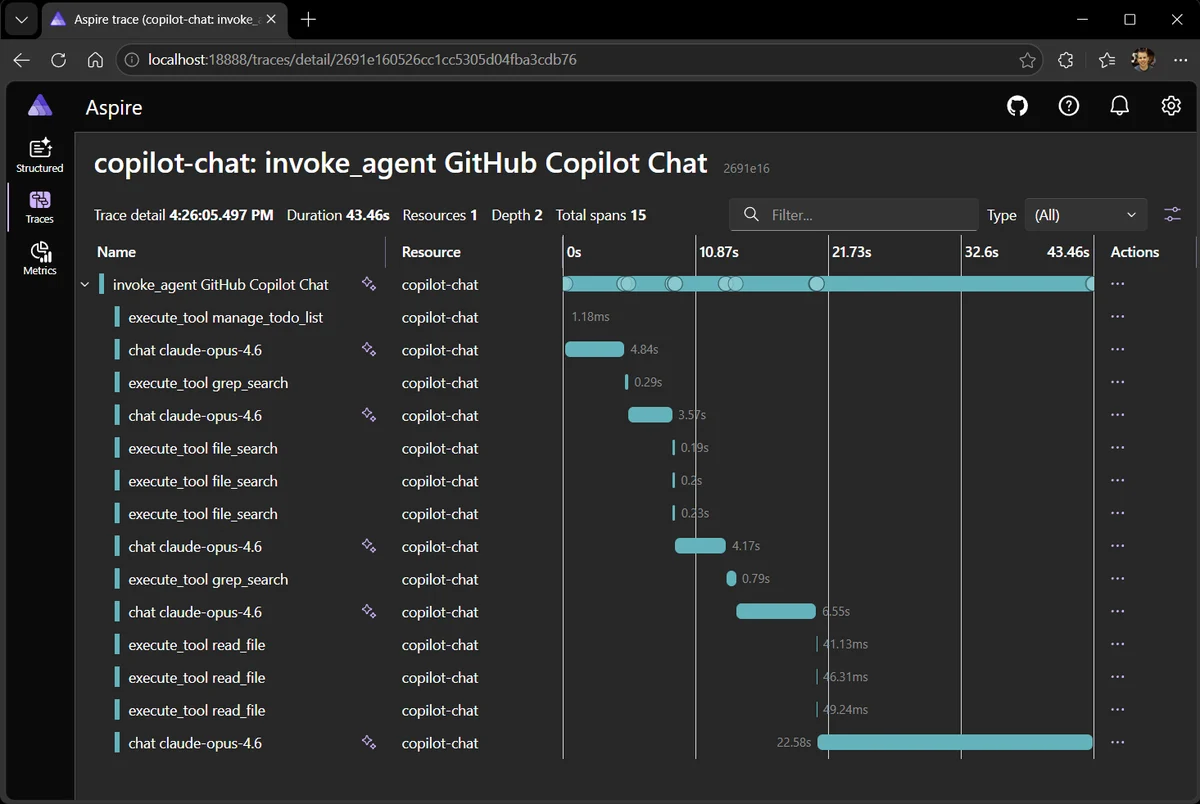
4. Record everything an investigator would ask. Senior managers are accountable for models in their area, including third-party ones1. That needs evidence: the request, the agent's reasoning trace, the tools called, the mandate checked and the outcome. OpenTelemetry's GenAI conventions make this a by-product of normal tracing rather than a separate logging project5.
The other side: firms receiving agent instructions
Banks, insurers and payment firms now face customers' agents arriving at their APIs and websites. The FCA asks firms to consider whether to accept payments instructed by an agent at all, and what liabilities follow1. Commentators read this as a prompt to treat agent traffic as a distinct channel with its own controls4.
- DetectRecognise agent traffic instead of treating it as a human or a bot to block
- IdentifyBind the agent to a customer and a provider you can contact
- Check consentConfirm the customer authorised this agent for this kind of action
- LimitApply agent-specific limits and step-up for high-risk actions
- RecordKeep the instruction, consent and outcome together
- SupportGive the customer a clear route when the agent got it wrong
Blocking all agents is a decision, not a strategy. Customers will use them anyway; the firms that define a safe agent channel will set the terms.
The CTO's take
The FCA has not written new rules, and it does not need to. Existing permissions, the Consumer Duty and senior manager accountability already reach agents. What changes is the build: an activity map, explicit mandates, a deterministic gateway for regulated steps, and traces good enough to defend a decision. Teams that build those in now can launch and adapt quickly; teams that do not will find every new capability turns into a compliance question. For related work, see the UK payments AI controls case study, agentic commerce and my UK page.
If you are building or receiving AI agents in UK financial services, I am a fractional CTO and AI architect based in India, the United States and the UAE, working globally. You can analyse your challenge and bring the result to a call.
- 1Our approach to Agentic AIFinancial Conduct Authority · 24 Nov 2026
- 2UK finance watchdog warns AI agent builders they may need a licenceThe Next Web · Nov 2026
- 3FCA: AI agents must comply with regulatory requirementsFinancial Planning Today · Nov 2026
- 4Agentic AI in Financial Services: What Does the FCA Expect from Firms?Herrington Carmichael · Nov 2026
- 5Inside the LLM Call: GenAI Observability with OpenTelemetryOpenTelemetry blog (James Newton-King) · 14 May 2026