What launched
ChatGPT Wallet lets OpenAI's agents complete purchases for users: people save a card, the agent shows the items, total and card before checkout, and the user approves each purchase; merchants and agents receive tokenised card credentials rather than the real card number1. It is rolling out first to eligible users in the US, and OpenAI plans to support purchases within preset spending limits later2. Cards from Visa, Mastercard and American Express work at launch3.
It lands on rails the card networks have been building: Visa and Mastercard launched agent payment programmes that issue tokens for approved agents and verify them at the network4. Reporting on the launch notes OpenAI warned that some sites may block agent purchases unintentionally and that fraud systems may flag legitimate agent orders2.
How an agent purchase flows
- IntentThe user asks the agent to find and buy something
- BrowseThe agent reads product data and builds a basket
- ApproveThe user sees items, total and card, and approves
- TokenA network token is issued for this purchase only
- CheckoutThe merchant receives the order and token; fraud checks run
- After-saleReturns, support and disputes stay with the merchant
For merchants: four things to decide now
1. Welcome, tolerate or block agents. Bot protection tuned against scrapers will often block agent checkouts too. Decide your policy deliberately. If you want agent sales, learn to recognise verified agents, for example through signed agent requests, rather than opening the door to every bot.
2. Tune fraud rules for a new pattern. Agent orders can look unusual: fast, consistent, from new devices, with tokens rather than typed card details. Review rules that would decline them wholesale, and watch approval rates for agent traffic separately from human traffic.
3. Make product data agent-readable. Agents buy what your data says. Accurate structured data on price, stock, sizes, delivery and returns reduces wrong orders and disputes; see structured data for AI search.
4. Plan for after the sale. Returns, customer service and disputes stay with you. Make sure support can see that an order came through an agent and what the customer approved, so arguments about "I did not mean to buy that" can be resolved.
For anyone building agents that spend money
The approval step is the most important design decision. A good confirmation shows exactly what will happen, in plain terms, inside the conversation, and needs a deliberate action to proceed. MCP's Apps extension shows the pattern for any agent action: an interactive card in the chat that the user confirms5.
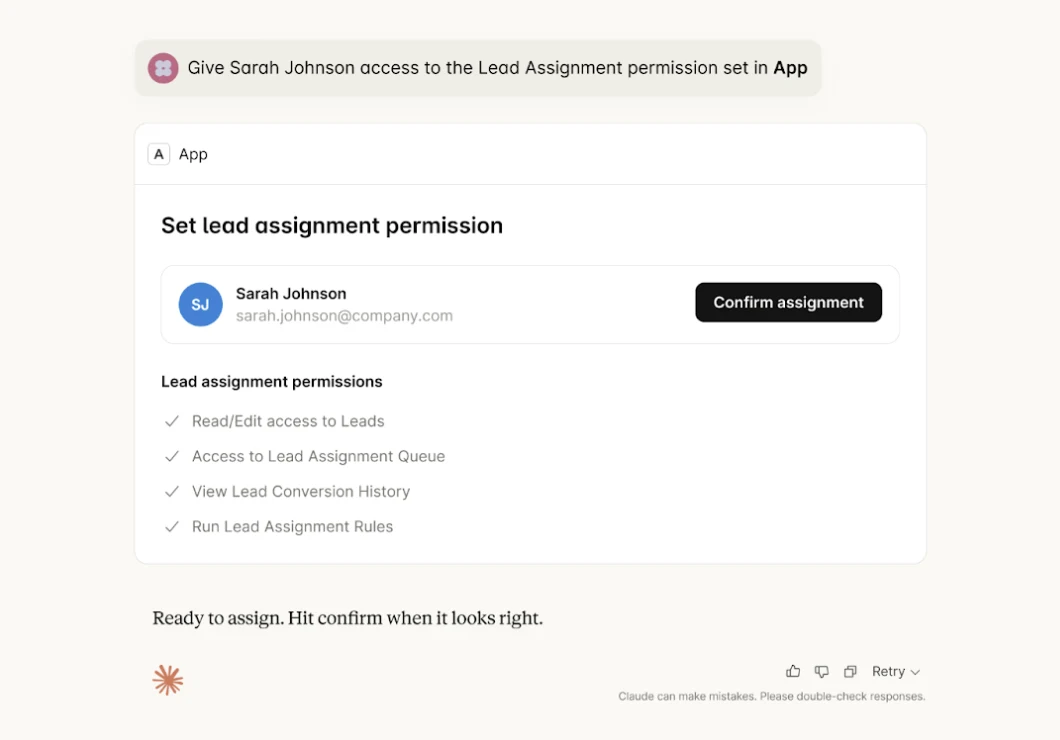
An agent that can pay is an agent that can be tricked into paying. Keep a human approval on every purchase until limits, allowlists and monitoring have earned the right to remove it.
Prompt injection matters more once money moves: a product page or email that instructs the agent to buy something is an attack. Treat every page the agent reads as untrusted; see prompt injection defence for agents.
Where this is heading
Expect three things: agent traffic growing first in the US and then elsewhere as networks and wallets expand; pressure to allow purchases within limits without per-transaction approval; and regulators asking who is liable when an agent buys the wrong thing. Payment and consumer protection rules differ widely by market, so merchants selling internationally should watch how each region treats agent-initiated payments. See where I work.
CTO take
For merchants, the cost of preparing is small: a deliberate bot policy, fraud rules reviewed for agent traffic, clean product data and support tooling that shows how an order was made. For agent builders, the hard part is not the payment API but the approval experience and the limits around it. Both groups should start now, while volumes are low enough to learn. Read alongside the 14 November tech news, idempotent payments and the agent-ready marketplace case study.
How I can help
I help retailers and platforms prepare for agent traffic and help teams design agents that act safely with money and data. I am based in India, the United States and the UAE, working globally. See AI architecture, fractional CTO work, or analyse your challenge and bring the result to a call.
- 1Introducing ChatGPT WalletOpenAI · 13 Nov 2026
- 2ChatGPT's new Wallet lets AI agents shop and check out for youTechCrunch · 13 Nov 2026
- 3OpenAI Launches ChatGPT Wallet for AI Agent PaymentsCointelegraph · Nov 2026
- 4How agentic commerce redefines AI's role in paymentsAmerican Banker · 2025
- 5MCP Apps: Extending servers with interactive user interfacesModel Context Protocol Blog · 21 Nov 2025