What was reported
Microsoft's results for the quarter to 30 September showed Azure revenue growing 48%, ahead of analyst estimates, with guidance for faster growth in the current quarter1. Capital spending of $45.2 billion came in below the company's own projection, which it attributed to delivery timing rather than a change of plan1, and its finance chief said demand still exceeds supply2. Analysts also noted capital expenditure guidance was held steady3.
Why this matters to engineering leaders
When the largest providers are still building as fast as they can and demand outruns them, capacity for AI workloads, especially accelerators in specific regions, is not guaranteed on demand. That affects launch dates, data-residency plans and cost. The response is the same discipline used for any scarce resource: know what you need, decide what matters most, reserve for that, and have a fallback.
Let the scheduler enforce your priorities
On Kubernetes, the scheduler decides where each workload runs, and pod priority and preemption decide what happens when resources run out: higher-priority pods are scheduled first, and lower-priority ones can be evicted to make room45. Giving customer-facing inference a higher priority class than batch jobs means a capacity squeeze lands on work that can wait.
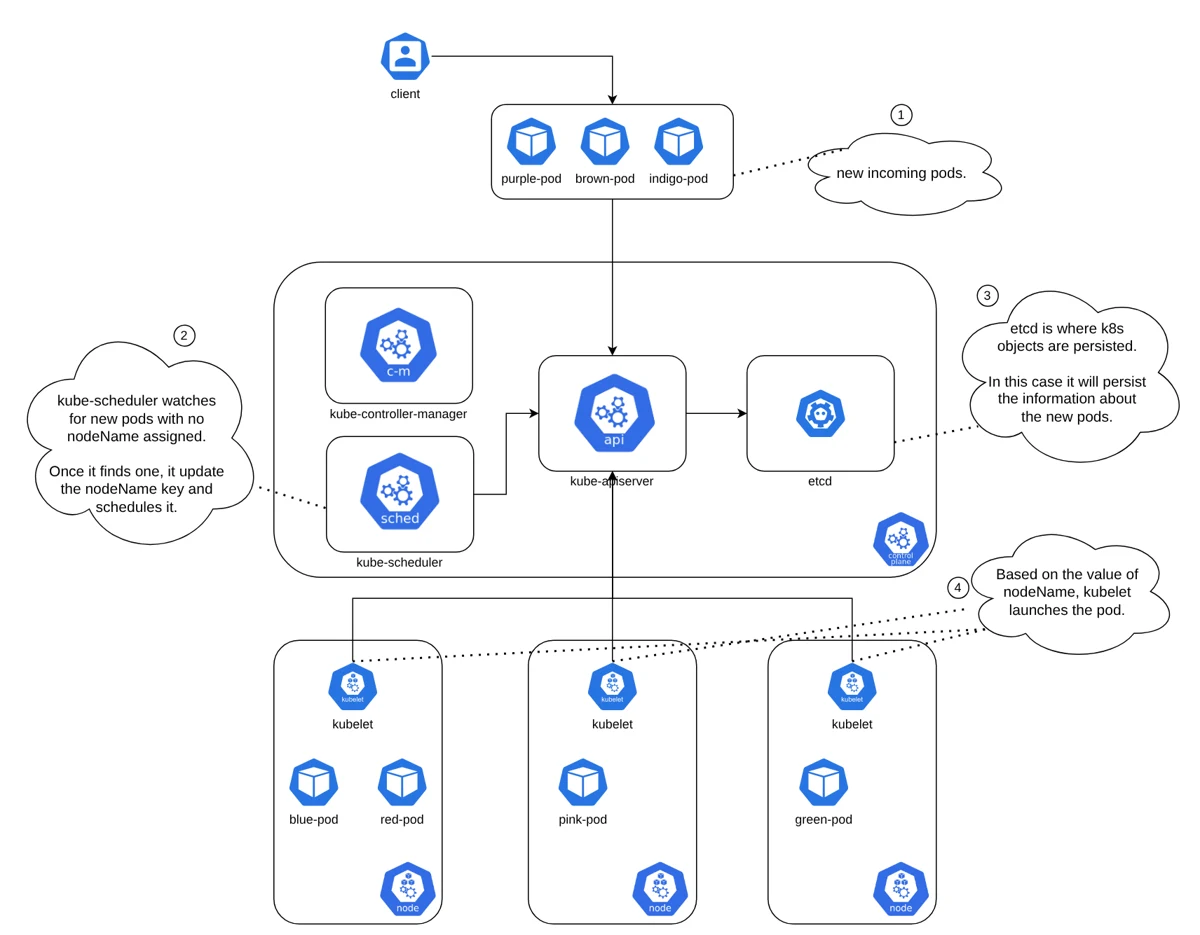
In a shortage, something will wait. Decide in advance what it is, and encode that decision in the platform rather than in a meeting during the incident.
A capacity plan in four steps
- MeasureAccelerator hours, tokens and latency per workload and region
- TierCritical, important and flexible, agreed with the business
- ReserveCommitted capacity for critical work where data rules require it
- PrioritisePriority classes and quotas so shortages hit flexible work first
- HedgeA second provider, region or model tested with real traffic
- ReviewMonthly: usage against reservations, cost, and upcoming launches
| Lever | Helps with | Watch out for |
|---|---|---|
| Reservations and commitments | Guaranteed capacity for critical work | Paying for idle capacity if forecasts are wrong |
| Priority classes and quotas | Shortages fall on flexible work | Needs agreed tiers, not engineering guesses |
| Second provider or region | Availability and negotiating position | Data residency and quality differences |
| Smaller or routed models | Less capacity needed per task | Quality must be proven on your evaluation set |
CTO take
Treat AI capacity as a supply chain. Know your demand by workload, reserve for what is critical in the regions your data rules require, and make sure a shortage degrades flexible work first. Regional constraints differ: residency rules in the EU, India, Saudi Arabia and elsewhere can limit where you are allowed to fail over, so check them before you count a region as a fallback (by region). Related reading: AI cost allocation with FOCUS, GPU scheduling with DRA, LLM model routing, AI provider resilience under CPS 230 and the tech news update for 29 October.
How I can help
I help teams plan AI capacity and cost alongside architecture, so launches are not hostage to a shortage. See fractional CTO and AI architecture, or analyse your challenge and bring the result to a call.
- 1Microsoft's cloud growth, cash flow offer respite from AI spending fearsUS News (Reuters) · 28 Oct 2026
- 2Microsoft's cloud growth accelerates, and so too does the spendingFortune · 28 Oct 2026
- 3Microsoft earnings: Azure accelerates while capital expenditure guidance is steadyMorningstar · Oct 2026
- 4Pod Priority and PreemptionKubernetes documentation
- 5Protect Your Mission-Critical Pods From Eviction With PriorityClassKubernetes blog (Sunny Bhambhani) · 12 Jan 2023