- Every dataset used for AI tagged with source, purpose and legal basis
- Camera analytics redesigned to keep counts, not faces, wherever possible
- Contractors limited to scoped workspaces for the task they were given
- Personal data masked in logs and traces by default
- An evidence pack ready for the PPC rules as they are issued
Anonymised composite. Client names, identifying details and confidential figures are withheld; public facts are cited in the references.
The situation
A Japanese retail chain with several hundred stores ran a loyalty programme, an app and in-store cameras. Its data team trained demand forecasting and promotion models on loyalty purchases, and two outside contractors analysed camera footage to measure footfall and queue times. The data had grown up over a decade: copies in the warehouse, the contractors' environments and a few notebooks, with no single record of where personal data went or why.
Why now. Japan's amended Act on the Protection of Personal Information was promulgated in July 2026 as Act No. 56 of 2026, with most duties starting on dates set later by Cabinet Order2. As reported, it introduces an administrative surcharge, adds rules for facial recognition data, makes contractors' duty not to use data beyond their task explicit, and creates a consent exception for statistical processing and AI development13. Commentary expects strengthened penalties from early 2027 and the main reforms by mid-20282. The Personal Information Protection Commission (PPC) will set the detailed rules4. The chain wanted to use the time to get ready rather than react later.
What had to be true
- Every dataset used for AI known: its source, purpose, legal basis and where copies live.
- Facial data minimised: kept only where needed, disclosed clearly and never reused quietly.
- Contractors bounded to the task they were hired for, technically and not just by contract.
- Personal data out of telemetry by default.
- Evidence on demand, ready to map to the PPC's rules when they arrive.
Architecture
The data flow, end to end
- CollectLoyalty data arrives with its notice and consent version attached
- TagThe catalogue records source, purpose and legal basis for each dataset
- PseudonymiseDirect identifiers are replaced before data reaches analytics
- GrantPolicy allows each team or contractor only the datasets for its purpose
- TrainModels train on permitted features; the run records which datasets it used
- ProveLineage and access logs answer who used what, for which purpose
The hard part: cameras and contractors
The footfall project was the riskiest part of the estate. Contractors received video clips and ran their own models on them, which meant faces left the stores and their later use was hard to control. With facial data getting specific rules in the amendment1, the team changed the design rather than adding paperwork.
Video processing moved to on-premises devices in each store. They produce counts, dwell times and queue lengths, and discard frames after processing. Contractors now receive those aggregates, not footage. Where a use case truly needed identification, such as a loss-prevention pilot, it was split out as its own system with its own disclosure, retention and approval. That separation is what makes the purpose clear to customers and to a regulator.
Contractors moved into scoped workspaces on the chain's own platform, with access to named datasets for a set period, every query logged and no export by default. This turns the duty not to use data beyond the task into a technical control instead of a clause3.
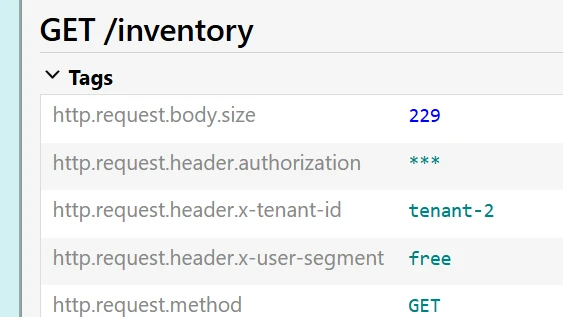
The last gap was telemetry. Application logs and traces carried customer IDs, emails and auth headers, copied into tools that many people could see. The team set masking as the default in the OpenTelemetry pipeline, keeping useful context such as store or segment and hiding identifiers and credentials5.
The cheapest compliance is data you never collect. Change the design so the sensitive data does not leave the store, then govern what remains.
How it ran
- APPI amendment tracking
- Purposes and notices
- Contractor terms
- Inventory and catalogue
- Pseudonymisation and policies
- Masked telemetry
- Edge video devices
- Contractor workspaces
- Model retraining
- Find every copy
- Record purposes
- Rank risks
- Edge video
- Contractor workspaces
- Pseudonymisation
- Policy as code
- Masked telemetry
- Retire old copies
- Lineage reports
- Model data records
- Map to PPC rules
Key decisions and trade-offs
| Decision | Alternative | Why |
|---|---|---|
| Process video at the edge | Send footage to contractors | Faces stay in the store; purpose is clear |
| Prepare now | Wait for the PPC rules | Inventory and redesign take longer than the rules will |
| Do not rely on the AI exception yet | Assume all training is covered | Its reach depends on rules not yet issued |
| Contractor workspaces on our platform | Data shipped to contractor systems | Task limits enforced technically and logged |
| Mask telemetry by default | Clean up logs case by case | Observability tools are a common leak |
What I'd do again, and differently
Again: redesign the camera use case instead of documenting it. It removed most of the risk in one move. Differently: put purpose tags on data at ingestion from the start, rather than adding them during the inventory; tagging old data took longer than building the platform. Related: ISO 42001 and the NIST AI RMF, high-impact AI under Korea's AI Basic Act and where I work.
If you use personal data for AI in Japan or across Asia, see my AI architecture work, or analyse your challenge and bring the result to a call.
- 1Japan approves APPI amendment bill on personal data, AI training, and finesDigital Watch Observatory · 2026
- 2Japan's APPI amendment is on the books as Act No. 56. Its duties do not bite yet.The Leveraged Years · 2026
- 3
- 4Personal Information Protection CommissionPPC (Japan)
- 5OBI Gives Incident Response the Request Context It NeedsOpenTelemetry blog · 10 Apr 2026