What happened
Wiz published "Black October" on 30 October, describing a series of security incidents at AI developer and hosting platforms during the month1. Several platforms attributed their incidents to credential access, and the common thread was stored environment variables holding AI keys; Wiz found no single shared vulnerability and linked key-checking activity to resellers of model access, without claiming they carried out the intrusions12. In the same week, a tampered coding extension tried to plant backdoors on developer machines, the kind of foothold that exposes whatever keys a laptop holds5.
The pattern has a name. Sysdig described LLMjacking in 2024: attackers use stolen cloud credentials to reach hosted model services, check which keys work, and resell the access, leaving victims with the bill34. What has changed is scale: more teams, more platforms and more keys, often with no spending limits.
Why AI keys are different
A leaked database password is serious, but its damage is bounded by what is in the database. A leaked model key with no limits turns directly into spend, at machine speed, and the first sign is often the invoice. AI keys also spread more widely than most secrets: into notebooks, hosted dev platforms, CI variables, editor settings and personal accounts, because getting started with AI is designed to be easy.
A practical playbook
1. Find every key. Inventory provider accounts, cloud model services and keys across teams, platforms and CI. Rotate anything stored on a platform named in the Wiz report or any third-party platform you cannot vouch for1.
2. Put a gateway in front of models. Applications and developers call your gateway, not providers directly. The gateway holds the real provider credentials, issues per-team or per-application keys, and enforces quotas. A key stolen from a laptop is then a key to your gateway, with your limits and your logs. See model routing and securing AI coding tools.
3. Set spend and rate limits per key. Every key gets a daily budget and an alert well below it. Production keys get headroom; experiment keys do not.
4. Use cloud identity instead of static keys where you can. For cloud-hosted models, prefer workload identity and short-lived credentials over long-lived access keys, and restrict which models and regions each identity can use. Sysdig's research noted that not every model API call appeared in default cloud audit logs, so check that your logging covers the calls you rely on3.
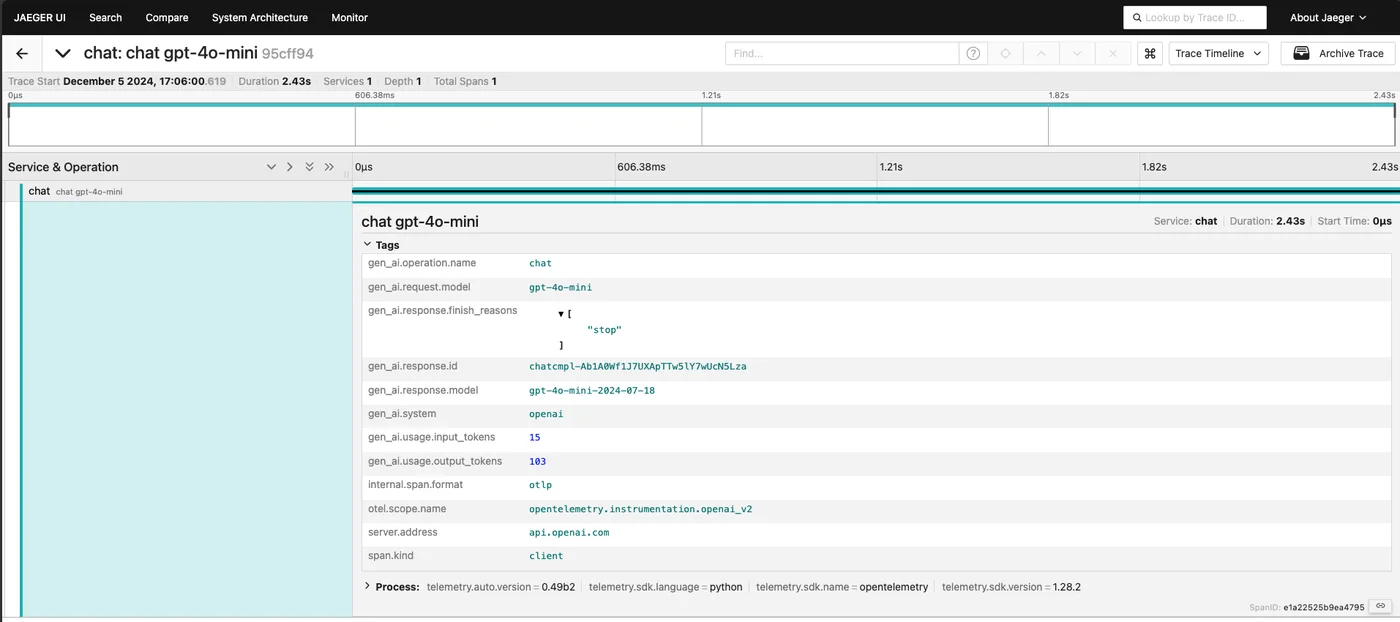
5. Watch usage like a security signal. Record tokens, model and caller on every request. The OpenTelemetry generative AI conventions capture model and token usage per call, which gives you the baseline that anomaly alerts need6. See AI cost allocation.
6. Rehearse revocation. Know how to revoke a key, rotate provider credentials behind the gateway and confirm usage stopped, in minutes, outside office hours.
Treat AI keys like payment cards: issue them per holder, set a limit, watch the statement daily and cancel at the first odd charge.
What to alert on
- BaselineNormal tokens per key by hour, model and region
- New modelA key starts calling a model it never used
- VolumeUsage jumps well above the key's normal range
- Odd hoursSustained traffic when the owning team is offline
- New originCalls from networks or regions the key never used
- ActAuto-throttle, page the owner, revoke if unexplained
Who should act
- Any team using hosted AI dev platforms: rotate keys stored there this week.
- Companies with cloud-hosted models: review which identities can invoke which models, and in which regions.
- Finance and FinOps: add AI spend to daily anomaly checks, not monthly reviews.
- Regulated firms: a stolen key that can reach customer data through a model is a data incident, not just a cost problem; see where I work for regional rules.
CTO take
October showed that attackers now go after AI keys directly, because those keys turn straight into resellable compute. The fix is not exotic: one gateway, keys per team, limits per key, telemetry per call and practised revocation. Teams that already run AI through a gateway for cost and quality reasons get most of this for free. Teams that do not should start there. For the wider week, see the 1 November tech news.
How I can help
I help teams design AI gateways, key management and spend controls that keep model access safe and affordable. I am based in India, the United States and the UAE, working globally. See AI architecture or analyse your challenge and bring the result to a call.
- 1"Black October" for AI Developer PlatformsWiz · 30 Oct 2026
- 2Black October: LLMJacking Wave Exposes AI Infrastructure's Credential CrisisFuturum Group · Oct 2026
- 3LLMjacking: Stolen Cloud Credentials Used in New AI AttackSysdig · May 2024
- 4
- 5Inside a malicious Claude Code-branded extension and its persistent SSH backdoorMicrosoft Security · 30 Oct 2026
- 6OpenTelemetry for Generative AIOpenTelemetry blog · 5 Dec 2024